The American dream once included a sprawling, dedicated laundry room situated off the mudroom, housing massive 27-inch top-loading washers and gas-vented dryers. However, the architectural reality of modern living—whether in a retrofitted historic home or a high-rise condominium—makes the dedicated laundry room a gross misallocation of square footage. The solution lies in the 24-inch (60cm) European laundry standard.
The Mechanics of High-Spin Washing
Traditional full-size washing machines prioritize volume over mechanical action and temperature control. In contrast, compact front-loaders from brands like ASKO, Bosch, and Miele utilize internal water heaters to achieve exact temperatures for specific textiles. Because the drum is smaller, the motor can spin the clothes at incredibly high speeds—frequently reaching 1400 to 1600 RPM.
This extreme centripetal force extracts significantly more moisture than a standard top-loader. When the garments are removed from the washer, they are barely damp. This drastically reduces the energy and time required for the subsequent drying phase.
The Ventless Heat Pump Revolution
Perhaps the greatest hurdle in residential laundry installation is the exhaust vent. Traditional dryers pull conditioned air from inside the home, heat it, pass it through the clothes, and blast it outside. This requires punching a four-inch hole in the side of the building and essentially venting your home's expensive heating or air conditioning directly outdoors.
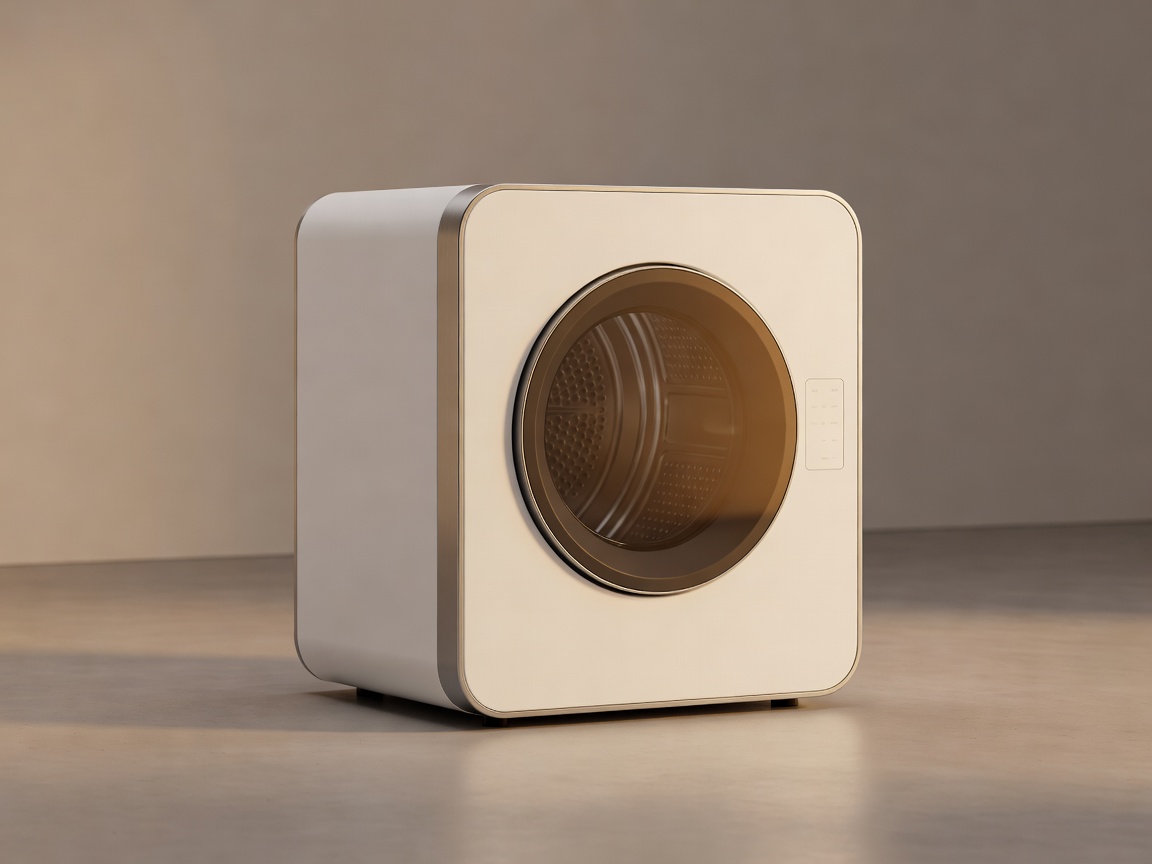
Heat pump dryers completely eliminate this archaic system. Operating on a closed loop, they act like a reverse air conditioner. They heat the air to extract moisture from the clothes, then pass that humid air over a cold evaporator coil. The moisture condenses into water, which is pumped down the drain (or into a drawer), and the dry air is reheated and circulated back into the drum. Not a single cubic foot of air leaves the home.
Installation Flexibility
Because a heat pump dryer only requires a standard electrical outlet and a drain (which it can share with the washer), the pair can be installed anywhere: under a kitchen counter, hidden in a primary bedroom closet, or stacked in a hallway niche. The LG WashTower and Samsung Bespoke lines have recently introduced single-unit form factors that refine this concept further, but the individual 24-inch stack remains the gold standard for pure flexibility and serviceability.