In major metropolitan hubs like New York City, London, and Tokyo, the standard American 30-inch range and 24-inch dishwasher are spatial luxuries that most galley kitchens cannot afford. For decades, urban dwellers compromised by relying on inferior countertop appliances or washing by hand. However, a new paradigm has emerged, driven by precision European engineering: the era of the high-performance compact kitchen.
The Misconception of Scale
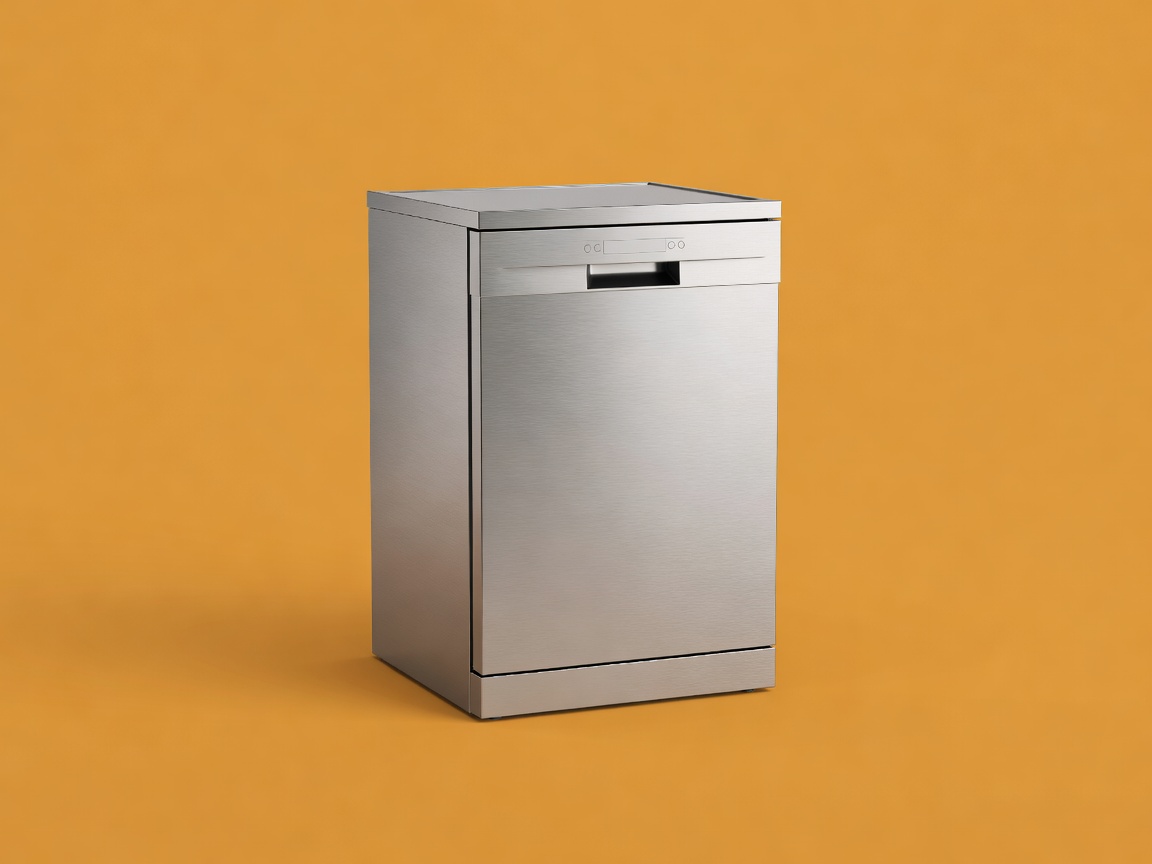
There is a persistent myth in domestic appliance planning that size directly correlates to capability. This is fundamentally flawed. When we examine the internal components of a premium 18-inch dishwasher from manufacturers like Bosch or Miele, we find the exact same wash pumps, filtration systems, and condensation drying technology used in their flagship 24-inch models. The only variable altered is the width of the tub.
By narrowing the footprint, designers gain six crucial inches of under-counter cabinetry. In a small kitchen, a six-inch pull-out pantry is the difference between a cluttered countertop and an organized culinary sanctuary. Furthermore, the 18-inch tub is perfectly sized for one or two-person households. Instead of waiting three days to fill a large dishwasher—resulting in dried-on food and odors—the compact owner runs efficient, daily loads.
The Narrow Column Refrigerator
Equally critical to the compact kitchen layout is cold storage. The American standard 36-inch French door refrigerator commands a massive footprint and often results in food being lost and forgotten in deep, unlit corners. Enter the 24-inch column refrigerator.
Brands like Fisher & Paykel, Liebherr, and Blomberg have perfected the tall, narrow cooling column. By extending the height of the unit to 84 inches and keeping the depth flush with standard cabinetry, these units maximize vertical volume. The result is a shallow, well-lit interior where every ingredient is immediately visible. The flush integration creates seamless sightlines, making small spaces feel significantly larger and more architecturally refined.
Modular Cooking Systems
The traditional combined range (oven and cooktop in one 30-inch chassis) is being usurped by modular systems. Placing a 24-inch induction cooktop directly over a bank of drawers, while locating a 24-inch wall oven at eye level elsewhere, drastically improves kitchen ergonomics. Induction technology is particularly vital in small spaces, as it generates almost zero ambient heat, unlike gas burners which can quickly make a compact kitchen unbearably hot.
Ultimately, transitioning to compact kitchen appliances is not a compromise—it is an upgrade to a more deliberate, organized, and efficient mode of domestic life.